Sciatic Nerve Pain Relief
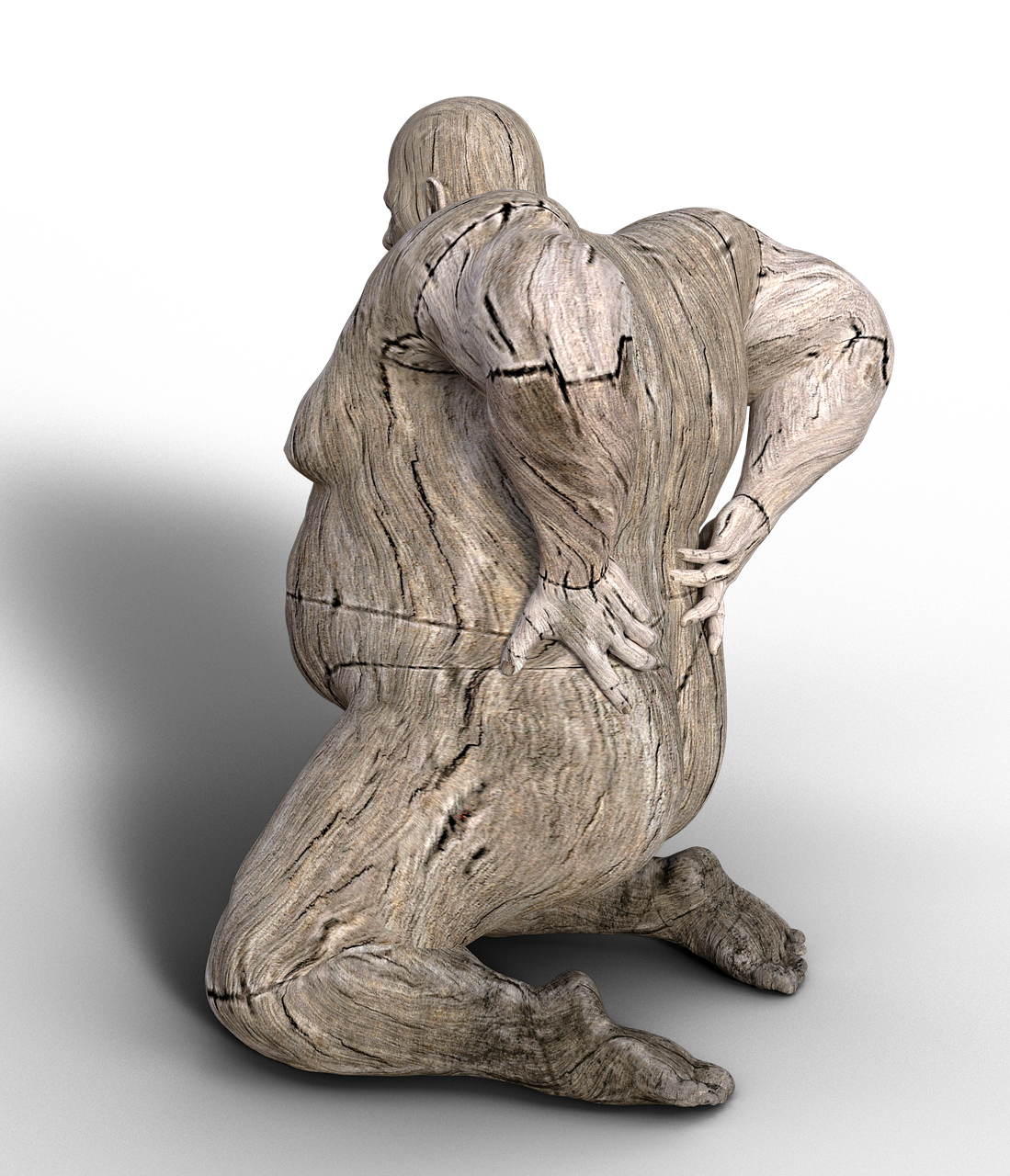
Sciatic nerve pain, often referred to as sciatica, is a debilitating condition that can significantly impair one’s quality of life causing pain and sleepless nights. As the longest nerve in the body, the sciatic nerve extends from the lower back, through the hips and buttocks, and down each leg. Irritation or compression of this nerve can trigger pain, numbness, and tingling, often felt on one side of the body. At the Galway Acupuncture Hub, we have had great success at treating sciatic nerve pain
Let’s unravel the therapeutic magic of acupuncture in alleviating sciatic nerve pain.
The Ancient Wisdom of Acupuncture:
Originating from traditional Chinese medicine, acupuncture has been used for thousands of years to remedy a plethora of ailments. By inserting thin needles into specific points on the body, known as acupuncture points, here at the Galway Acupuncture Hub we aim to restore balance and promote the body’s self-healing mechanism.
Targeting the Pain Pathway:
Acupuncture targets the pain pathway associated with sciatica by stimulating the nervous system. The needles act as catalysts, triggering the release of endorphins – the body’s natural painkillers, and other neurotransmitters that modify the way the body perceives pain.
Reducing Muscle Tension:
Sciatic nerve pain is often exacerbated by muscle tension. Acupuncture can help relax the tight muscles surrounding the sciatic nerve, thereby reducing pressure on the nerve. This relaxation can also promote better blood circulation in the area, which facilitates healing and a reduction in pain.
Improving Mobility:
By alleviating pain and reducing muscle tension, acupuncture can significantly improve mobility, like being able to put on your shoes and socks or getting in and out of the car or a chair. Individuals may find it easier to move around without the hindrance of pain.
Promoting a Holistic Recovery:
Acupuncture not only targets the symptoms but also addresses the underlying causes of sciatic nerve pain. By promoting a better flow of Qi (energy) and blood, acupuncture works to restore the body’s natural harmony, and homeostasis promotes long-term healing.
Individualized Treatment Plans:
Acupuncture treatment plans are often tailored to meet the individual needs of you. An experienced acupuncturist will conduct a thorough assessment to determine the most effective treatment strategy for alleviating sciatic nerve pain.
Complementing Other Treatments:
Acupuncture can be a complementary treatment, working in synergy with other therapies like physical therapy, chiropractic care, and massage therapy to provide a comprehensive treatment approach to sciatica.
A Natural Respite:
With minimal side effects and a non-invasive nature, acupuncture provides a natural respite for those battling with sciatic nerve pain. Often painkillers don’t work for sciatic pain. It offers a soothing alternative to medication and surgery, aligning the body, mind, and spirit in the healing journey.
Signs of Sciatic Nerve Discomfort 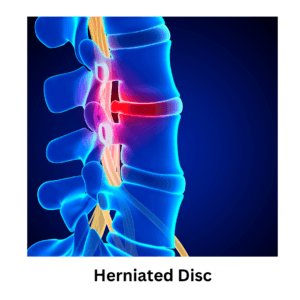
Lower Back Discomfort:
Sciatica’s cradle is often the lower back, manifesting as a mild to intense ache or pain, which may be dull, sharp, or throbbing.
Leg Ache:
The discomfort often trails down the back of the thigh, possibly reaching the foot. While rare, aggravation during standing, walking, or other motions could hint at joint or disc issues, which are addressable.
Buttock and Hip Discomfort:
The pain often nests in the buttock and hip area, sometimes accompanied by a vexing, burning, or tingling sensation. This discomfort may escalate during sitting, sleeping, or lying down.
Numbness or Weakness:
In some cases, a numbing or weakening sensation invades the legs or feet, signaling a need for prompt acupuncture consultation to prevent muscle mass deterioration.
Radiating Discomfort:
The pain tends to radiate from the lower back, coursing through the buttocks and down the leg, tracing the sciatic nerve’s pathway. Knee and foot aches are also common affiliates of sciatic nerve pain.
Pain Escalation during Activities:
Prolonged sitting, standing, or forward bending can intensify the discomfort. Even sneezing, coughing, or straining could amplify the pain, possibly indicating a vertebral disc issue affecting the sciatic nerve.
Sensory Alterations:
Encounters with tingling, pins-and-needles sensations, or sensation loss in the leg or foot are not uncommon.
Deciphering the precise cause and securing effective treatment is paramount to overcoming this ailment. In most scenarios, non-invasive, non-pharmacological approaches promise the safest and most enduring relief. At Galway Acupuncture Hub specialists excel in diagnosing and remedying the roots of Sciatica, steering you towards a pain-free existence!
Conclusion
The exploration of acupuncture as a treatment for sciatic nerve pain has opened doors to a holistic approach to managing and alleviating this troublesome condition. As we continue to appreciate the ancient wisdom intertwined with modern understanding, acupuncture stands as a beacon of hope for those seeking relief from the clutches of sciatic nerve pain.
End the agony of sciatic nerve pain. Book your appointment with us now to journey towards relief and reclaim a life of mobility and ease. Act Now💪