How to Build Confidence and Perform at Your Best in the Saddle
The short answer
Confidence isn’t about never making mistakes. It’s about trusting yourself to keep going when things don’t go to plan.
The riders who perform at their best aren’t the ones who never have a rail down, never get eliminated, or never fall. They’re the riders who learn from setbacks, focus on what went well, and don’t allow one moment to define them.
I’m Lucy Townsley, a Performance Mindset Coach for Riders, former international showjumper, and jockey. I help riders overcome fear, competition nerves, and self-doubt so they can trust themselves under pressure, perform to their full potential, and enjoy their riding again.
This weekend, my daughter Amber reminded me exactly why this work is so important.
A Weekend That Could Have Ended Very Differently
Amber and I travelled to the third RDS qualifier in Maryville with Harry and Belle.
Anyone involved in showjumping knows what these qualifiers mean. The atmosphere is incredible, the standard of riding is exceptional, and every rider is chasing the dream of qualifying for the Dublin Horse Show.
We arrived, got prepared, walked the course, and had a great warm-up in the practice ring. Harry felt fantastic, Amber had gone through the course in her mind, and as they waited by the entrance to go in, everything was exactly as we’d hoped.
Then the bell rang.
Amber and Harry entered the arena.
They came a little deep to the first fence and had it down. Of course, it was disappointing, but one fence never defines a round. Amber quickly settled into a lovely rhythm and produced some beautiful jumping over the next few fences.
Then, halfway around the course, everything changed.
She fell.
Every Parent’s Worst Moment
Watching your child hit the ground is something no parent ever wants to experience.
Those few seconds felt incredibly long.
I was already running towards the arena before I’d even had time to think.
Thankfully, Harry was standing quietly, Amber was climbing out of her air jacket, and after being checked by the medical team, she was absolutely fine—just understandably shaken.
Then came the biggest decision of the day.
Should You Get Back On After a Fall?
This is one of the questions I’m asked most often.
My answer is always the same.
Only if you’re physically okay and emotionally ready.
There is absolutely no prize for forcing yourself to get back on.
I told Amber there was no pressure whatsoever. If she wanted to go home, we’d load the ponies and leave. There would always be another competition.
But after taking a little time, she made her own decision.
She wanted to ride Belle.
We walked the second course, warmed up again, and headed back into the ring.
She rode a positive, committed round. Two rails came down, but there was so much more to that performance than those two mistakes.
Why Riders Lose Confidence
This is where so many riders get stuck.
Our brains are designed to remember what went wrong.
- The rail.
- The refusal.
- The missed stride.
- The fall.
- The embarrassment.
But they rarely remember everything that went right.
Before Amber’s fall, she had jumped several technical fences beautifully.
With Belle, she rode the majority of a demanding track confidently, with only two rails down.
If we’d only focused on the mistakes, we’d have ignored all the evidence that she was riding brilliantly.
That’s how confidence disappears.
What High-Performing Riders Do Differently
The riders who consistently perform well don’t pretend mistakes never happen.
They simply refuse to let one mistake become their identity.
Instead, they ask themselves:
- What did I do well today?
- What improved compared with last time?
- What did I learn?
- What’s the evidence that I’m becoming a better rider?
Confidence isn’t built through positive thinking.
It’s built through evidence.
The Best Part of the Weekend
The following day, we headed to another show.
Amber walked into the ring with the same determination.
- She trusted herself.
- She trusted her pony.
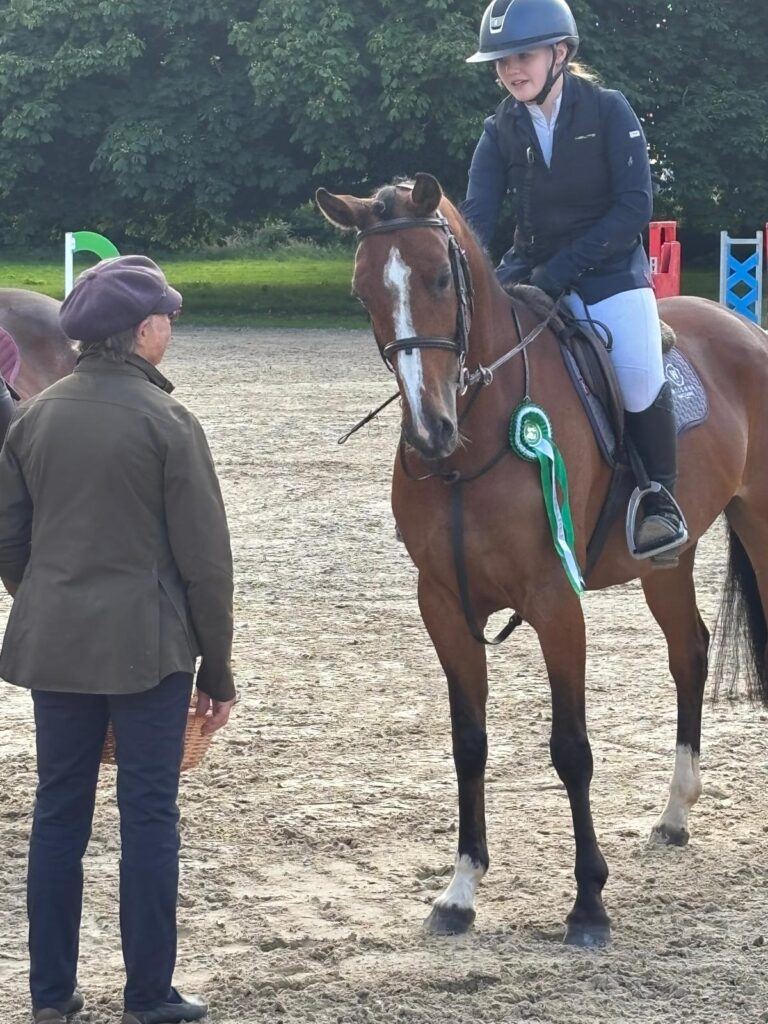
And she came home with the win.
Not because she never fell.
But because she didn’t let one fall define her.
One competition doesn’t define you.
One mistake doesn’t define you.
One fall certainly doesn’t define you.
Why I Do What I Do
As a Performance Mindset Coach for Riders, I work with riders of all ages—from those returning after a fall to high-level competitors who know they have the ability but struggle to show it when the pressure is on.
Time and time again, I see talented riders being held back, not by their riding ability, but by what is happening between their ears.
Confidence isn’t something you’re born with.
- It’s a skill.
- Just like balance.
- Rhythm.
- Position.
- Feel.
It can be developed.
Sometimes the biggest thing holding a rider back isn’t their technique.
It’s the conversation they’re having with themselves after something goes wrong.
Change the conversation. Change the performance.
Three Things You Can Do After Every Competition
Before you leave the venue, write down:
✅ Three things you did well.
✅ One thing you learned.
✅ One thing you’ll improve next time.
Don’t allow your brain to leave, remembering only the negatives.
Collect the evidence.
Because confidence grows from evidence—not perfection.
Frequently Asked Questions
How do I rebuild confidence after falling off my horse?
Start by separating the fall from your identity as a rider. One incident doesn’t define your ability. Gradually rebuild trust through positive experiences, good preparation, and focusing on what you’re doing well.
Should I get back on after a fall?
Only if you’ve been checked over where appropriate, you’re physically uninjured, and you genuinely feel ready. Never feel pressured to ride before you’re ready.
Why do I always remember the mistakes?
Your brain naturally focuses on negative experiences because it’s trying to protect you. Learning to notice what went well is a skill that helps build confidence and resilience.
Can mindset coaching help with competition nerves?
Absolutely. Competition nerves, fear after a fall, perfectionism, and self-doubt can all be improved through practical mindset training that works alongside your riding lessons.
Ready to Ride to Your Full Potential?
Whether you’re struggling with competition nerves, fear after a fall, overthinking or simply know you’re capable of riding better than you’re currently performing, you don’t have to work through it alone.
As a Performance Mindset Coach for Riders, I help riders develop the mental skills to trust themselves under pressure, enjoy competing again, and perform to their full potential.
Whether your goal is to jump your first clear round, qualify for championships, or enjoy your horse again, confidence and performance can be trained.
If you’d like to find out how I can help, book a free 15-minute Rider Performance Call. Together, we’ll identify what’s holding you back and create a plan to help you unlock your full potential.
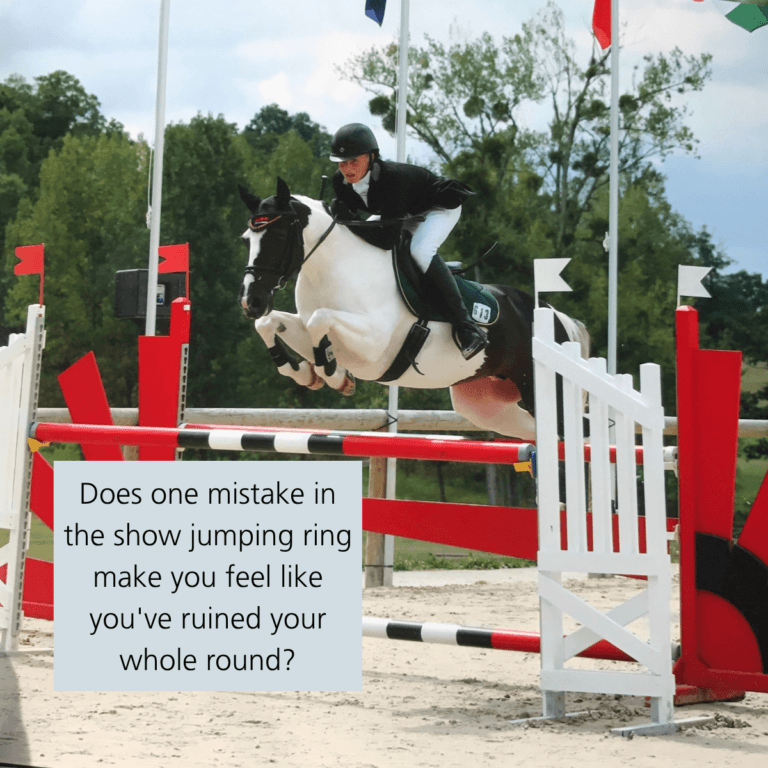
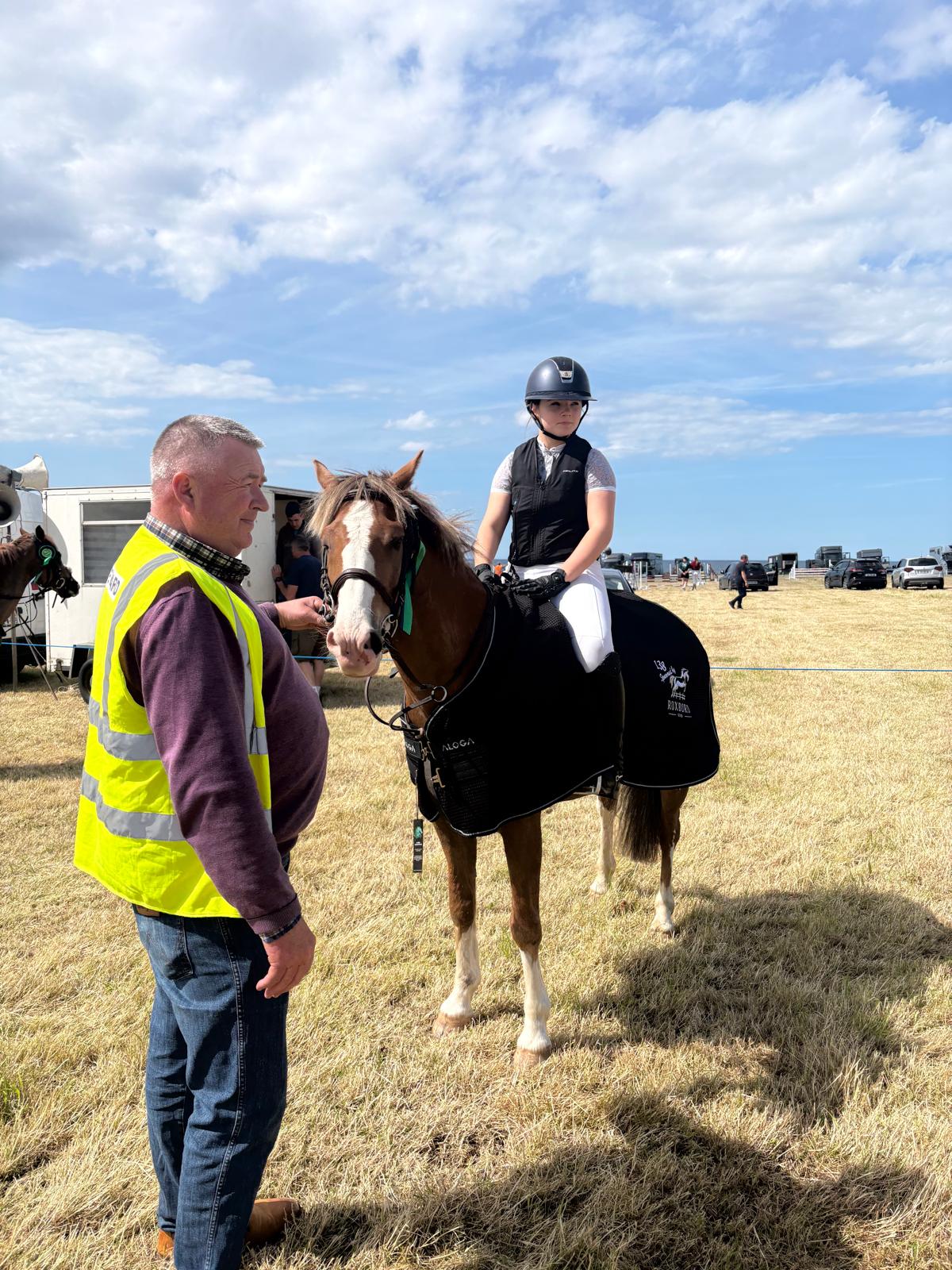
Harry and Amber are showing how it can be done after their fall.