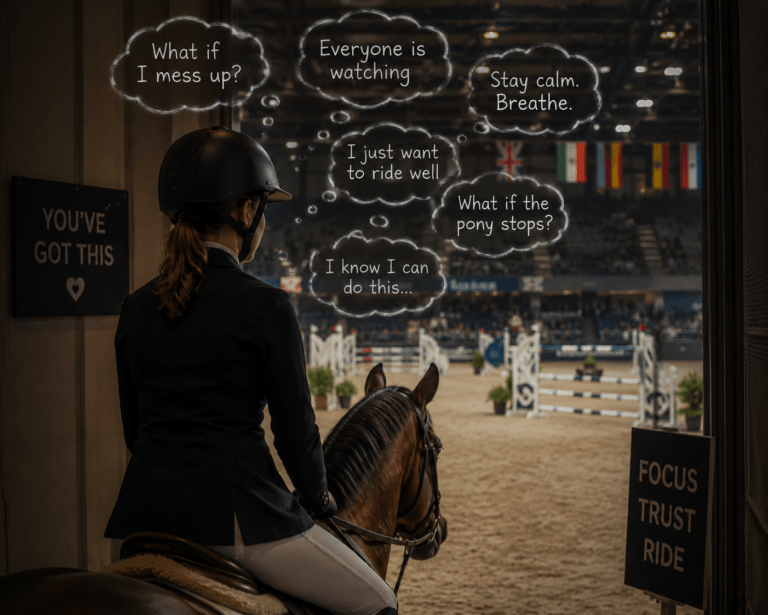
How to Regain Confidence After Falling Off Your Horse
The Short Answer
The first step to rebuilding confidence isn’t getting back on your horse—it’s rebuilding trust in yourself.
After a fall, many riders believe they’ve lost their ability. In reality, they’ve often lost trust in themselves. Confidence comes back gradually through small wins, positive experiences, and a shift in how you think about what happened.
I’m Lucy Townsley, a Performance Mindset Coach for Riders, former international showjumper, and jockey. I help riders overcome fear, competition nerves, and self-doubt so they can trust themselves under pressure, perform to their full potential, and enjoy their riding again.
One rider’s journey perfectly illustrates this.
A Rider Who Lost Her Confidence
A young rider came to see me after experiencing a serious fall.
She had been badly injured when she was younger, and although she eventually returned to riding, another fall two years ago completely changed everything.
She had been told the horse she was riding was quiet.
It wasn’t.
The experience left her frightened and unsure whether she could ever trust herself again.
For almost two years, she didn’t ride.
- Not because she didn’t love horses.
- Not because she wasn’t a good rider.
Because every time she thought about riding, her brain was doing the job it was designed to do—keeping her safe.
In fact, according to her brain, the safest place she could be was sitting at home on the sofa, wrapped in a protective bubble where nothing could hurt her.
Your brain would be quite happy keeping you sitting safely on the sofa in a protective bubble for the rest of your life. The problem is that’s not where confidence grows, or great riding happens.
The problem is that while our brains are brilliant at protecting us from danger, they’re equally good at protecting us from the very things that help us grow.
This is far more common than many riders realise.
Why Confidence Disappears After a Fall
When something frightening happens, your brain stores it as a warning.
- Its job isn’t to make you confident.
- Its job is to keep you safe.
So the next time you think about riding, your mind starts asking:
“What if it happens again?”
- Your breathing changes.
- Your muscles tighten.
- Your heart beats faster.
You imagine everything that could go wrong.
None of this means you’re weak.
It doesn’t mean you’ve lost your ability.
It simply means your brain believes it’s protecting you.
Once you understand that, you stop fighting your brain and start working with it.
The good news is that your brain can also learn that riding is safe again.
How We Started Rebuilding Her Confidence
I didn’t tell her to simply get back on.
That would have been overwhelming.
Instead, we celebrated every small success.
- Standing beside her horse.
- Grooming.
- Tacking up.
- Sitting in the saddle.
- Walking.
- A few strides of trot.
Every one of those steps counted.
I explained something I often tell riders. Think about starting a young horse. You wouldn’t expect it to understand everything on the first day. You’d reward every small improvement. You’d build its confidence one step at a time.
So why do we expect ourselves to be perfect straight away? Confidence grows the same way. One small success at a time.
One Exercise That Changed Everything
One of the exercises we worked on was collecting evidence.
After every ride, she answered three simple questions.
What did I do well today?
Even if the answer is simply: “I got on my horse.”
What did I learn today?
Not what went wrong? What did I learn?
What’s my next small step?
Not my next giant leap. Just my next small step.
This teaches your brain to look for progress instead of danger.
The Result
Over the following weeks, something changed. She stopped measuring success by whether she could canter or jump. She started measuring success by whether she had taken another step forward.
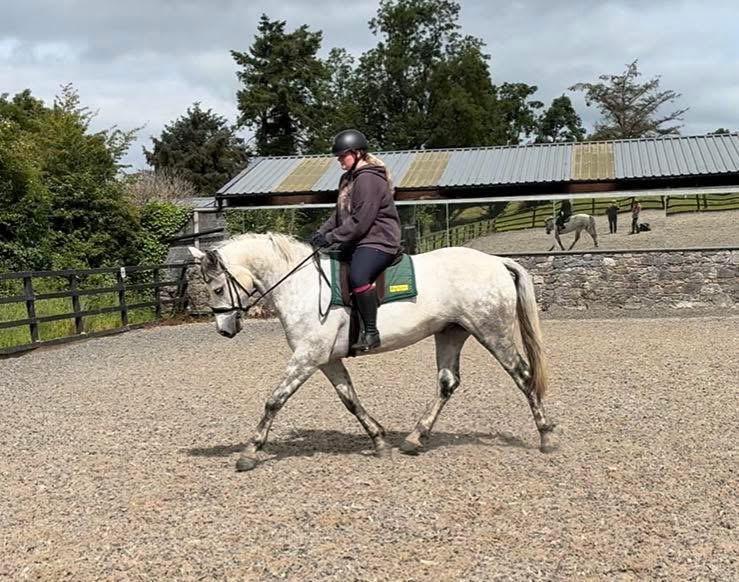
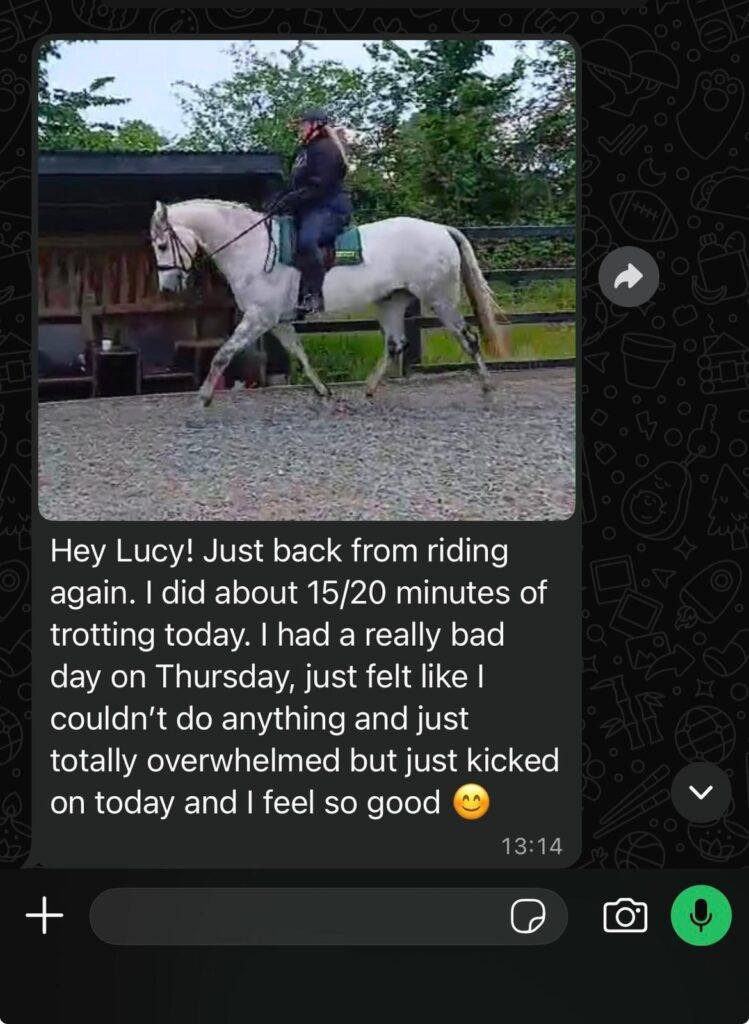
Eventually, she sent me a photograph.
- She was smiling.
- Back on her horse.
- Walking confidently.
- Then trotting.
- The fear hadn’t disappeared overnight.
- But confidence had started to replace it.
Because confidence isn’t the absence of fear. It’s learning that you are capable despite it.
Today, she’s riding again. Not because she suddenly became fearless. But because she rebuilt trust in herself one small step at a time.
Three Things You Can Do Today
If you’re struggling after a fall, try this.
Make your next goal smaller.
- Don’t aim to jump.
- Don’t even aim to trot if that feels too much.
- Aim to groom your horse.
- Lead your horse.
- Sit in the saddle.
- Walk for five minutes.
- Small wins create lasting confidence.
Change the question you’re asking yourself.
Instead of asking:
“What if I fall again?”
Ask:
“What’s one small thing I can do today that moves me forward?”
Your brain follows the questions you ask it.
Keep an Evidence Journal.
After every ride, write:
✅ Three things you did well.
✅ One thing you learned.
✅ One small goal for next time.
Confidence grows from evidence. Not perfection.
Frequently Asked Questions
Is it normal to be scared after falling off a horse?
Absolutely. Fear after a fall is one of the most common reasons riders contact me. It’s a completely normal response, but it doesn’t have to become permanent.
How long does it take to regain confidence after falling off a horse?
There isn’t a fixed timeline. Every rider is different. The important thing isn’t how quickly you return—it’s making steady progress that feels safe and manageable.
I often explain it like this. Imagine you have a young horse that has frightened itself over a big fence. You wouldn’t immediately put the jumps back up to the same height and keep asking it to jump until it stopped being scared.
Instead, you’d lower the fences, rebuild its confidence, reward every good effort, and gradually help it believe in itself again. As riders, we deserve to show ourselves that same patience.
Confidence is rebuilt in the same way. One positive experience. One small success.One step at a time. Before long, both horse and rider begin to trust themselves again.
Should I force myself to get back on?
No. Only ride when you are physically safe and emotionally ready. Confidence grows through positive experiences—not pressure.
Can Performance Mindset Coaching help?
Yes. Many riders don’t need more riding lessons. They need help changing the thoughts, emotions, and protective responses that are keeping them stuck. That’s exactly what Performance Mindset Coaching is designed to do.
Why I Do What I Do
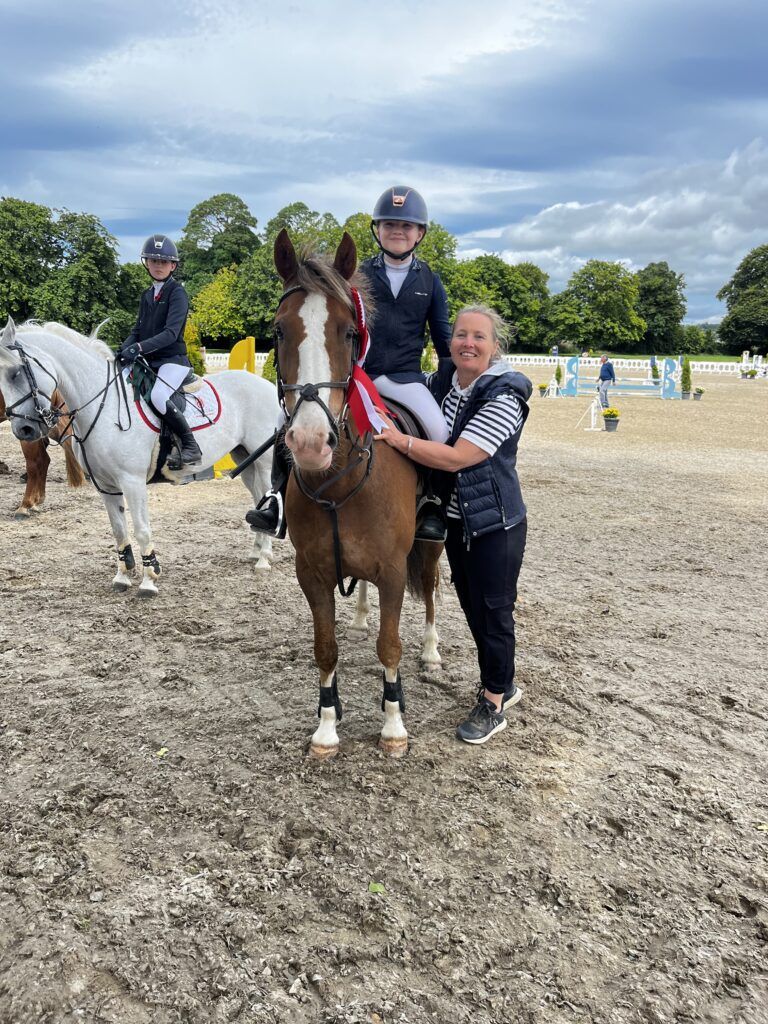
As a Performance Mindset Coach for Riders, I work with riders of all ages—from those returning after a fall to riders competing at a high level who know they have the ability but struggle to show it when the pressure is on.
Time and time again, I see talented riders being held back, not by their riding ability, but by what is happening between their ears.
Confidence isn’t something you’re born with. It’s a skill. Just like
- Rhythm.
- Balance
- Position.
- Feel.
- It can be developed.
And sometimes the biggest breakthrough comes when riders realise that fear isn’t the enemy. Fear is simply a sign that their brain is trying to protect them. Once they understand that, everything starts to change.
Ready to Enjoy Riding Again?
If fear after a fall, self-doubt, or anxiety is stopping you from enjoying your horse, you don’t have to face it alone.
As a Performance Mindset Coach for Riders, I help riders rebuild trust in themselves, overcome fear, and return to riding with confidence.
Whether you’ve been out of the saddle for weeks, months, or even years, there is a way forward.
Because your brain may want to keep you safe on the sofa…
…but that’s not where confidence grows, or great riding happens.