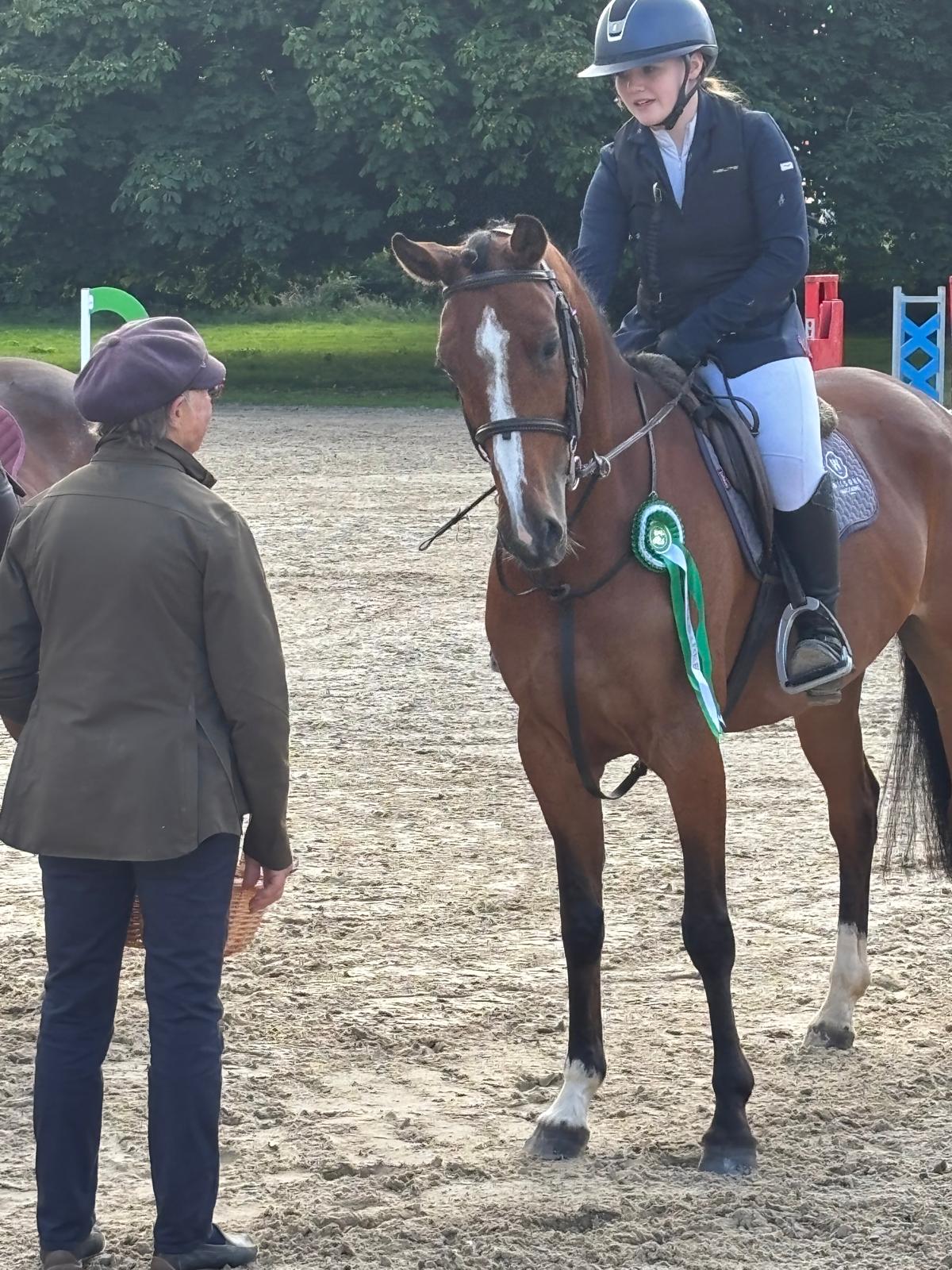
Why Does My Child Ride Brilliantly at Home but Fall Apart in Competition?
Your child jumps beautifully in the warm-up. They know the course. They know their distances. Their trainer is happy. Then the bell rings… and suddenly everything changes.
If this sounds familiar, you’re not alone.
One of the most common questions I hear from parents is:
“Why can my child ride so well at home and in the practice ring, but everything falls apart in competition?”
The answer often surprises them.
In most cases, it isn’t a lack of ability.
It’s a performance under pressure problem.
The Competition Ring Changes Everything
Imagine this.
Your child has warmed up beautifully. The pony feels fantastic. They’ve walked the course. They know exactly what they’re supposed to do.
Then they enter the arena.
The bell rings.
Suddenly they ride more cautiously, lose their rhythm, miss distances they would normally see, forget the plan or become relieved just to get over the first few fences.
Parents often look at this and think:
“What happened?”
The rider usually asks themselves exactly the same question.
It’s Not That They’ve Forgotten How to Ride
This is something I explain to many riders and parents.
Your brain has one primary job:
To keep you safe.
When a competition becomes emotionally important, your nervous system can begin treating the arena as something different from the warm-up.
The warm-up feels familiar.
The competition ring feels like a test.
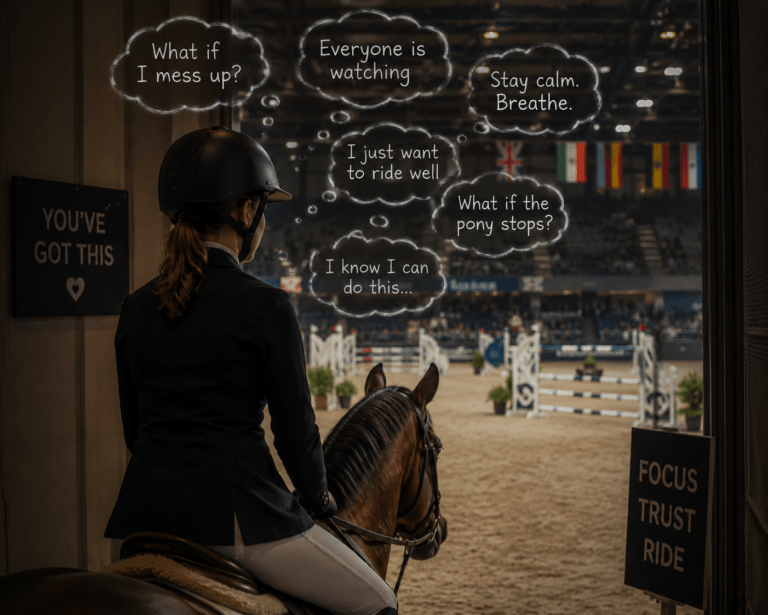
Instead of focusing on riding positively, the brain starts thinking:
- Don’t make a mistake.
- Don’t let everyone down.
- Don’t have a stop.
- Don’t hit a fence.
The rider is no longer concentrating on producing a good round.
They’re trying to avoid a bad one.
Those are two completely different mindsets.
Why Knowledge Disappears Under Pressure
One of the biggest frustrations for parents is seeing their child forget everything they’ve practised.
The distances disappear.
The rhythm changes.
Simple decisions suddenly become difficult.
This doesn’t happen because the rider isn’t talented.
It happens because anxiety changes how the brain processes information.
The rider hasn’t lost their ability.
They’ve temporarily lost access to it.
The Questions Parents Ask Themselves
Standing beside the arena can be incredibly emotional.
Many parents quietly ask themselves questions like:
- Why can’t my child ride like the others?
- Am I doing too much?
- Am I putting them under pressure?
- Am I getting this all wrong?
- What am I doing that’s making this harder for them?
- Should I push them more or step back?
- Why do other children seem so confident?
If you’ve had those thoughts, you’re not alone.
I’ve had them myself.
The important thing is recognising that comparison rarely gives us useful answers.
Every rider develops at a different pace.
Every nervous system responds differently to pressure.
Confidence Isn’t Built By One Brilliant Round
One of the biggest myths in riding is that confidence suddenly appears after a good result.
It doesn’t.
Confidence doesn’t come from one brilliant day. It comes from collecting enough mileage that your nervous system stops treating the competition environment as something unusual.
Every competition teaches the brain something.
Every round builds familiarity.
Every experience becomes evidence that says:
“I’ve been here before.”
That’s how genuine confidence develops.
What Parents Can Do Instead
Parents naturally want to fix the problem.
But sometimes the greatest gift you can give your child is not another instruction.
It’s creating an environment where they can gradually take ownership of their riding.
That might mean:
- Letting them prepare their own pony.
- Encouraging them to develop their own competition routine.
- Talking less about results and more about learning.
- Praising commitment, bravery and good decisions rather than just clear rounds.
- Helping them reflect instead of criticising mistakes.
One of the most valuable conversations after a competition is simply asking:
- What did you do well?
- What did you learn?
- What will you repeat next time?
Those three questions shift the focus away from failure and towards growth.
Remember What You’re Really Trying To Build
As parents, it’s easy to become focused on qualifiers, championships and results.
But those moments are only a tiny part of a much bigger journey.
Ask yourself:
What kind of horsewoman or horseman am I trying to help my child become?
Do you want a rider who simply collects rosettes?
Or do you want someone who:
- Loves and respects their horse.
- Takes responsibility for their riding.
- Learns from disappointment.
- Keeps going when things don’t go to plan.
- Enjoys the sport for years to come.
Because those qualities last far longer than any single competition result.
You Don’t Have To Work It Out Alone
If your child rides beautifully at home but struggles to reproduce that performance in competition, it doesn’t mean they’re not capable.
It usually means there’s a gap between what they know and what they can access under pressure.
The good news is that performance under pressure is a skill.
Like balance, rhythm and position, it can be trained.
Helping riders bridge that gap is exactly what I do.
Together, we can help your child develop the confidence, mindset and resilience to ride the way they know they can—both at home and when it matters most.
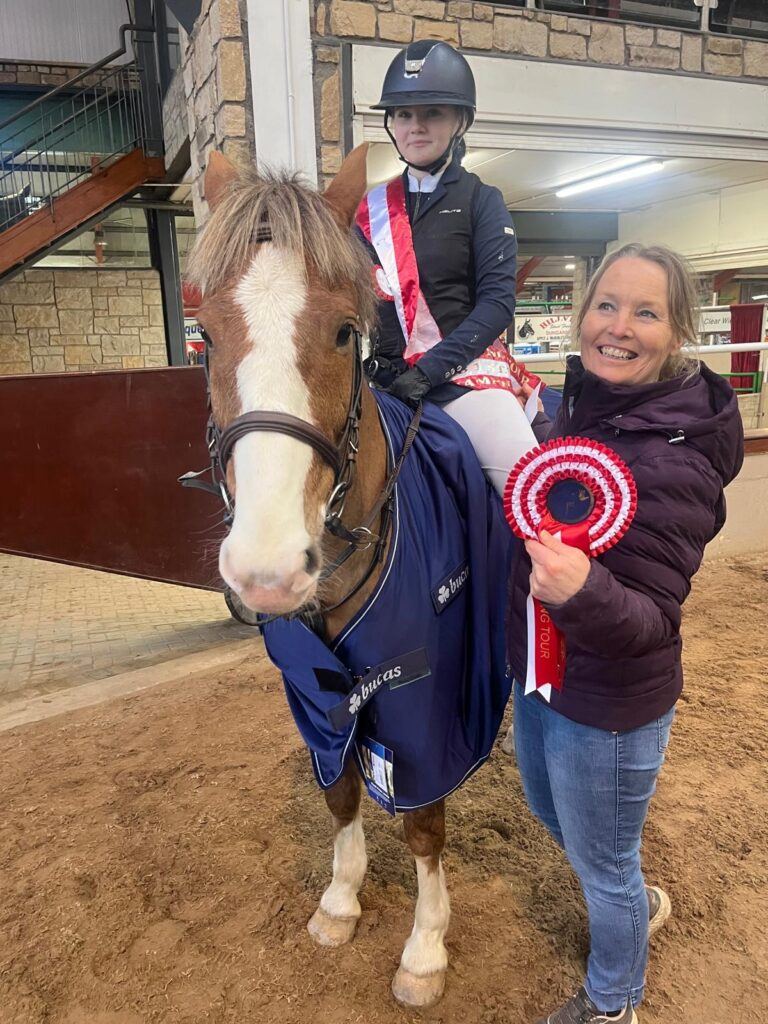
About Lucy Townsley
I’m a former Champion Lady Jockey, Rider Performance & Confidence Coach, and NLP Practitioner. I help riders and horse parents understand what happens under pressure so they can build lasting confidence, trust themselves in competition, and enjoy riding again.
My approach combines elite riding experience with modern performance psychology to help riders perform the way they already know they can.
Ready to Build Your Riding Confidence?
Every rider’s confidence story is different.
Some riders are recovering from a fall.
Some lose confidence when the bell rings.
Some ride brilliantly at home but struggle to reproduce it in competition.
In a one-to-one Rider Performance Session, we’ll identify what’s actually happening for you or your child and create a personalised plan to build confidence and consistency.
Book your Rider Performance & Confidence Session today.
Want ongoing support instead of trying to figure it out on your own?
Join the Rider Confidence Club for just €10 per month.
Every month you’ll receive:
- Live coaching sessions
- Rider and parent Q&As
- Practical mindset exercises
- Competition confidence strategies
- Access to a supportive community of riders and parents
Because confidence isn’t built in one session—it’s built through consistent practice and support.
Frequently Asked Questions
Why does my child ride so well at home but struggle in competition?
In most cases, this isn’t an ability problem. It’s a performance under pressure problem.
At home, your child is relaxed. In the competition arena, their nervous system often switches into protection mode. Instead of riding naturally, they’re trying not to make mistakes.
Before trying to fix the riding, ask yourself:
- What does my child do brilliantly at home?
- What’s different when the bell rings?
- Is this really a riding problem, or is it a pressure problem?
Why does my child forget everything they’ve learned once they enter the ring?
The rider hasn’t forgotten how to ride.
Pressure changes how the brain accesses skills.
Many young riders know exactly what they should do, but once they feel they’re being judged, they become cautious, overthink every stride or lose their rhythm.
Instead of asking:
“Why did that happen?”
Ask your child:
- What did you do well today?
- What did you learn today?
- What will you repeat next time?
These questions help build confidence instead of reinforcing failure.
My child wants to jump the bigger tracks. Should I let them?
Every ambitious rider wants to jump the bigger classes.
That’s completely normal.
Children watch older riders, see the bigger arenas, the red rosettes and championship classes, and naturally want to be there too.
The question isn’t:
“Can they jump that height?”
The better question is:
Can they ride confidently and consistently at the level they’re currently competing?
Confidence grows from success, not from constantly feeling out of your depth.
Sometimes taking one step back is the quickest way to move two steps forward.
Ask yourself:
- Is my child collecting confidence or collecting worry?
- Are we chasing bigger fences or building a better rider?
Am I putting too much pressure on my child
This is one of the bravest questions a parent can ask.
The fact you’re asking it usually means you’re trying to do the right thing.
Children also put enormous pressure on themselves.
They want to qualify.
They want the bigger tracks.
They want the red rosettes.
They want to prove they belong.
Sometimes the greatest pressure doesn’t come from parents at all—it comes from the expectations children place on themselves.
Instead of asking:
“Am I doing this wrong?”
Ask yourself:
- Does my child know I’ll be proud of them regardless of the result?
- Am I praising effort, bravery and learning as much as I praise success?
Why does my child blame the pony after a bad round?
Disappointment often makes us search for an explanation.
Sometimes it’s easier to blame the pony than admit we’re upset, nervous or frustrated.
That doesn’t make your child a bad rider.
It simply means they’re still learning how to process disappointment.
Instead of discussing blame, ask:
- What did the pony do well today?
- What did you do well today?
- What can both of you improve together next time?
Those questions keep the partnership at the centre of the conversation.
What should I say after a bad competition
You don’t need to analyse every fence on the journey home.
Very often your child already knows what happened.
Instead, create a habit of reflection.
Ask three simple questions:
- What did you do well?
- What did you learn?
- What will you repeat next time?
These questions build resilient riders because they teach children to look for evidence, not excuses.
How do I help my child become more confident?
Remember this:
Confidence doesn’t come from one brilliant day. It comes from collecting enough mileage that the nervous system stops treating the competition environment as something unusual.
Confidence grows through repetition, familiarity and learning—not perfection.
So ask yourself:
- What’s becoming more familiar for my child?
- What have they done a hundred times before?
- Which parts of today already felt familiar?
Those questions help young riders recognise that they’re making progress, even if the scoreboard doesn’t show it yet.
Can mindset coaching really help?
Absolutely.
Most riders don’t need someone to teach them how to ride.
They need someone to help them access the riding they already have when the pressure is on.
Mindset coaching isn’t about making riders fearless.
It’s about helping them trust themselves, manage pressure, and perform the way they know they can.
So instead of asking:
“How do I stop my child feeling nervous?”
Ask:
“How do I help my child ride well even when they feel nervous?”
That’s where lasting confidence begins.
- Why Do I Feel Anxious for No Reason?
 How much of your life has anxiety quietly stolen from you? If you’re reading this, I’m guessing you’re not just tired of feeling anxious. You’re tired of what anxiety has stopped…
 - Why Don’t I Feel Like Myself Anymore? (And How to Reset Your Nervous System)
 The Short Answer If you don’t feel like yourself anymore, you’re not alone. Whether you’re here in Galway or reading this from somewhere else in the world, months or even years…
 - Why Do I Keep Getting Headaches?
 If you keep getting headaches, you may be wondering why they continue to return and whether you will ever get lasting relief. Perhaps you wake up with pain already building. Maybe…