Why Do I Ride Brilliantly at Home but Everything Falls Apart in Competition?
At home, you ride well. You see your distances, your horse feels great, and everything seems to click. Then you arrive at a competition, the bell rings, and suddenly you feel like a completely different rider.
If you’ve ever driven home wondering:
“What happened to me in there?”
You’re not alone.
This is one of the most common problems I help riders overcome.
The important thing to understand is this:
“It usually isn’t a riding problem.“
It’s a performance under pressure problem.
“I Know How to Ride… So Why Can’t I Do It in Competition?”
This is the question almost every rider asks themselves.
You know the course.
You’ve jumped the fences at home.
Your horse feels exactly the same in the warm-up.
Your trainer is happy.
So why does everything change once you enter the ring?
Because your nervous system has changed the meaning of the situation.
At home, you’re learning.
In the competition arena, your brain often believes you’re being judged.
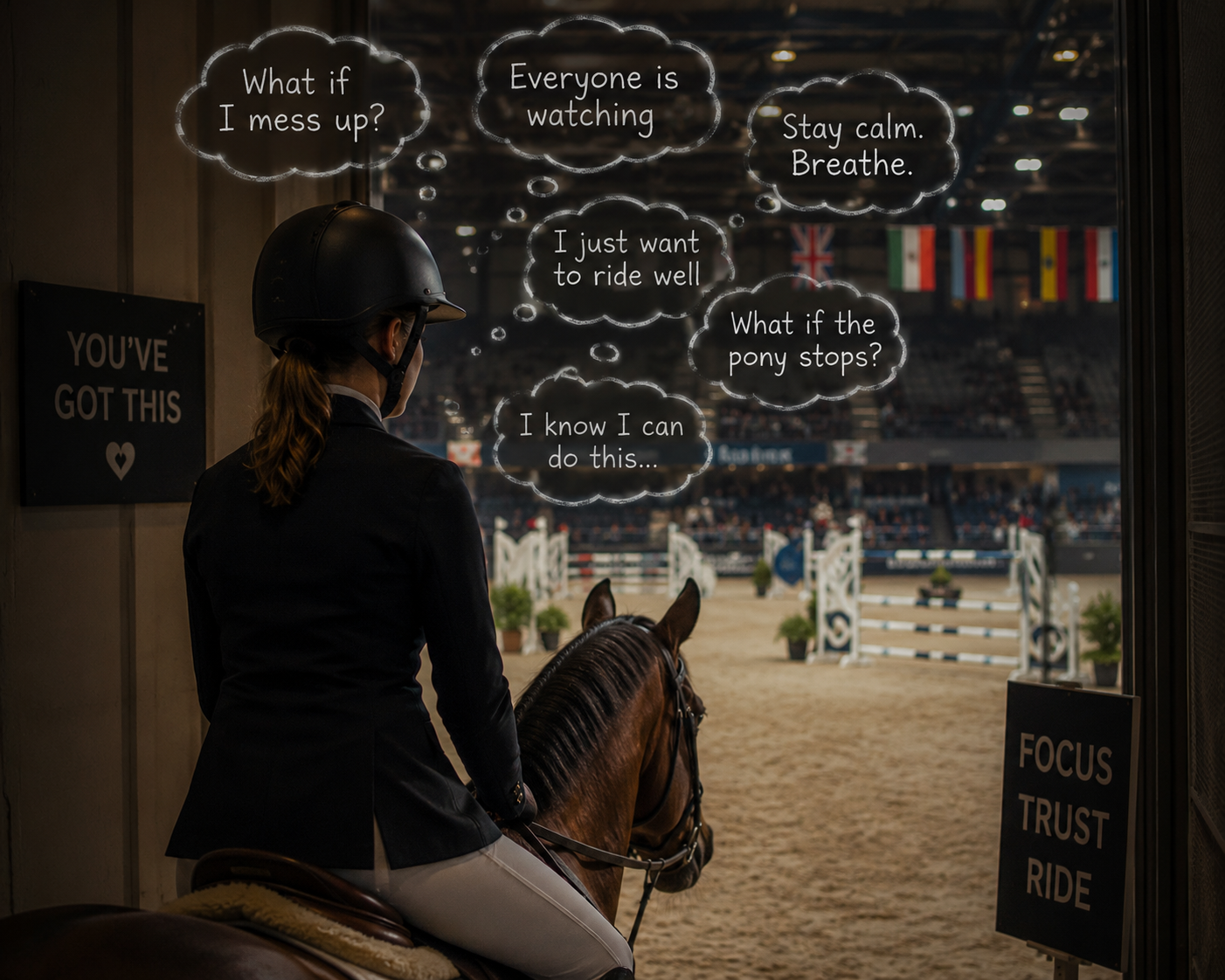
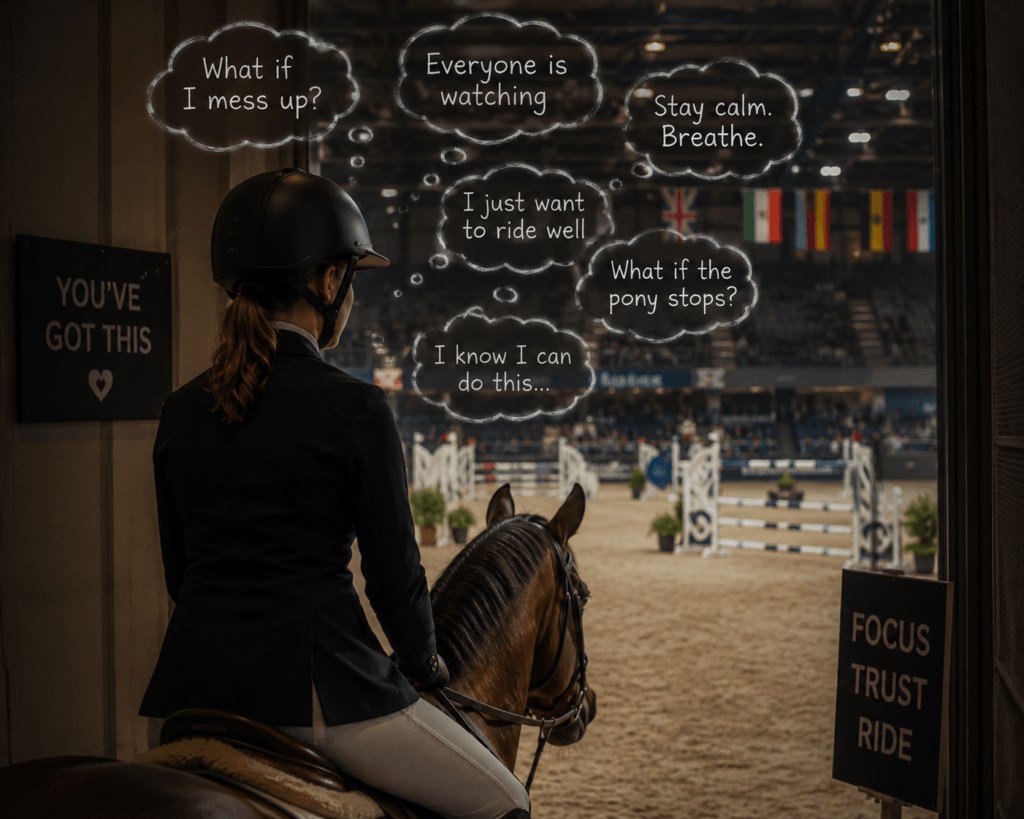
Instead of simply riding your horse, your mind starts running a completely different conversation:
- Don’t mess this up.
- Don’t have a stop.
- Don’t knock a fence.
- Everyone is watching.
- Don’t embarrass yourself.
The problem is that your brain cannot ride positively while it’s trying to avoid making mistakes.
You Haven’t Forgotten How to Ride
Many riders tell me:
“It’s like I forget everything I’ve learned.”
You haven’t.
Your ability hasn’t disappeared.
What’s changed is your access to it.
When we feel under pressure, our nervous system naturally becomes more protective.
Instead of riding instinctively, we begin analysing every stride, questioning every decision and trying to make everything perfect.
Ironically, that’s exactly what makes our riding feel unnatural.
The Biggest Mistake Riders Make
After a disappointing round, many riders immediately decide:
“I’ve lost my confidence.”
“I need a different horse.”
“I’m just not good enough.”
Most of the time, none of those things are true.
The rider who entered the arena is exactly the same rider who jumped beautifully in the warm-up.
The difference wasn’t your ability.
It was the state your nervous system was operating from.
Confidence Doesn’t Come From One Good Round
Many riders believe confidence will suddenly appear after one clear round.
Unfortunately, that’s rarely how confidence works.
Confidence doesn’t come from one brilliant day. It comes from collecting enough mileage that your nervous system stops treating the competition environment as something unusual.
Every competition teaches your brain something.
Every round builds familiarity.
Every experience becomes evidence that says:
“I’ve been here before.”
That’s how genuine confidence develops.
Why Do Riders Often Improve Over a 3 or 4 Day Show?
Have you ever noticed that the first day of a championship or a three- or four-day show can feel like the hardest?
Many riders feel nervous, make mistakes they wouldn’t normally make, or simply don’t ride the way they know they can.
Then something interesting happens.
As the days go on, they often become more relaxed. Their rhythm improves, they start seeing their distances more naturally and their riding begins to feel like it does at home.
What changed?
Usually, it wasn’t their ability.
It was their familiarity.
Their nervous system had time to realise:
“I’ve been in this arena before. I’ve jumped these fences. I know what this feels like.”
The environment stopped feeling unfamiliar and started feeling normal.
That’s exactly why experience is so valuable.
Every competition teaches your brain that this situation isn’t something to fear. The more positive mileage you collect, the less your nervous system feels the need to protect you.
This is why I encourage riders not to judge themselves on the first day of a show. Instead, notice how you’re adapting.
Ask yourself:
- What already feels more familiar today than it did yesterday?
- What did I do today that felt easier than it did before?
- What evidence do I have that I’m becoming more comfortable in this environment?
Confidence isn’t created overnight.
It’s built through repeated experiences that teach your brain, “I’ve done this before, and I can do it again.”
Stop Judging Yourself by the Scoreboard
One of the biggest traps in equestrian sport is believing your confidence should depend on your results.
Instead, start measuring the things you can control.
Ask yourself after every competition:
- What did I do well?
- What did I learn?
- What will I repeat next time?
These three questions shift your attention away from failure and towards progress.
Over time, you’ll begin collecting evidence that you’re becoming a more consistent rider, regardless of the colour of the rosette.
The Goal Isn’t To Be Fearless
Many riders think confident riders don’t get nervous.
That’s simply not true.
Confident riders still experience nerves.
The difference is that they’ve learned how to ride well despite them.
The goal isn’t to eliminate every feeling of anxiety.
The goal is to trust yourself enough that those feelings no longer take control of your riding.
You Can Learn to Ride the Way You Know You Can
If you ride beautifully at home but struggle to reproduce that performance in competition, it doesn’t mean you’re lacking talent.
It means there’s a gap between what you know and what you can access under pressure.
The good news is that this gap can be closed.
Performance under pressure is a skill.
Like balance, rhythm and position, it can be developed with the right approach.
You already know how to ride.
My role is to help you access that rider when it matters most.
Because every rider deserves to leave the arena knowing they showed the world the rider they already know they can be.
About Lucy Townsley
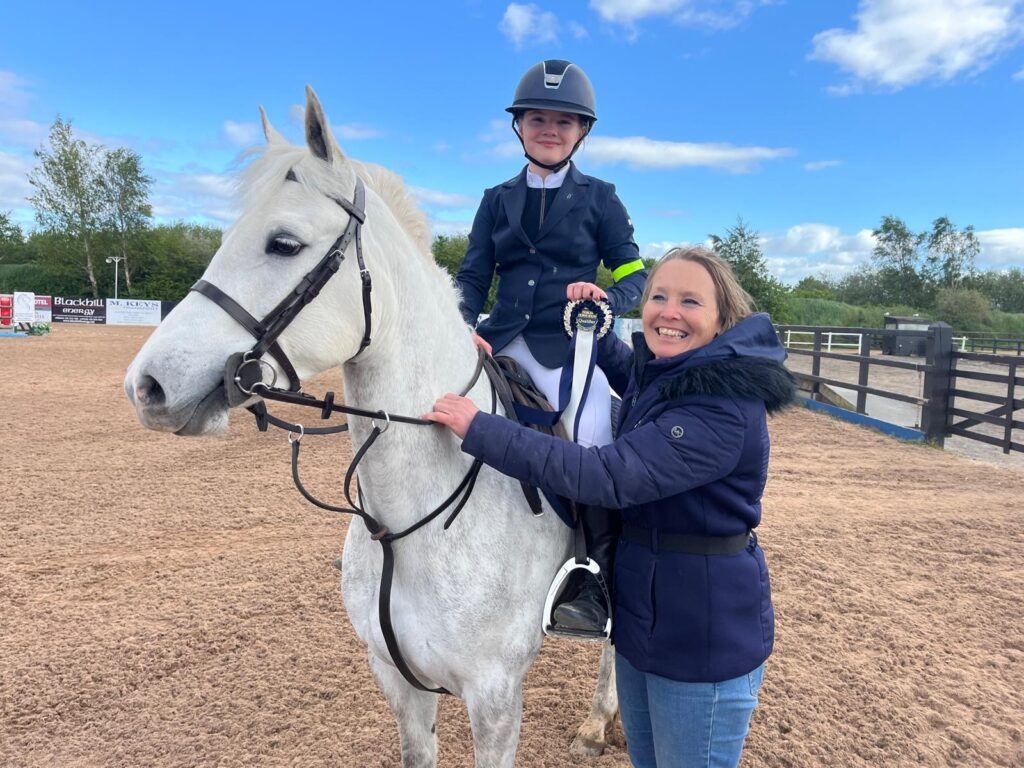
I’m a former Champion Lady Jockey, Rider Performance & Confidence Coach, NLP Practitioner and founder of Rider Performance & Confidence Coaching.
I help riders understand why they perform differently under pressure and give them practical tools to build lasting confidence, trust themselves and compete with greater consistency.
My approach combines elite riding experience, performance psychology and NLP to help riders perform the way they already know they can.
Ready to Ride the Way You Know You Can?
If you recognise yourself in this article, remember this:
You’re not a bad rider.
You’re not lacking ability.
More often than not, you’re experiencing a performance under pressure problem—and that’s something that can be changed.
If you’re ready to stop overthinking, rebuild your confidence and enjoy competing again, I’d love to help.
Book a one-to-one Rider Performance & Confidence Session
Together we’ll identify what’s really happening, create a personalised plan and help you become the rider you already know you can be.
Because confidence isn’t about waiting to feel fearless. It’s about learning to trust yourself, even when the pressure is on.
Join the Rider Confidence Club
Want ongoing support instead of trying to figure it out on your own?
Join the Rider Confidence Club for just €10 per month.
Every month you’ll receive:
- Live coaching sessions
- Rider and parent Q&As
- Practical mindset exercises
- Competition confidence strategies
- Access to a supportive community of riders and parents
Because confidence isn’t built in one session—it’s built through consistent practice and support.
Frequently Asked Questions
Why do I ride well at home but struggle in competition?
In most cases, this isn’t an ability problem. It’s a performance under pressure problem.
At home, your nervous system feels safe and familiar. In competition, the arena can suddenly feel like a place where every mistake matters. Instead of simply riding, your brain starts trying to protect you.
Ask yourself:
- What do I do really well at home?
- What changes when the bell rings?
- Is this really a riding problem, or is it a pressure problem?
Why do I feel like I’ve forgotten how to ride in the ring?
You haven’t forgotten. Your skills are still there, but pressure changes how easily you can access them.
Many riders become more cautious, overthink every stride and stop trusting the instincts they rely on at home.
Instead of asking:
“What’s wrong with me?”
Ask yourself:
- What did I do well today?
- What did I learn today?
- What will I repeat next time?
These questions build confidence because they focus on evidence rather than emotion.
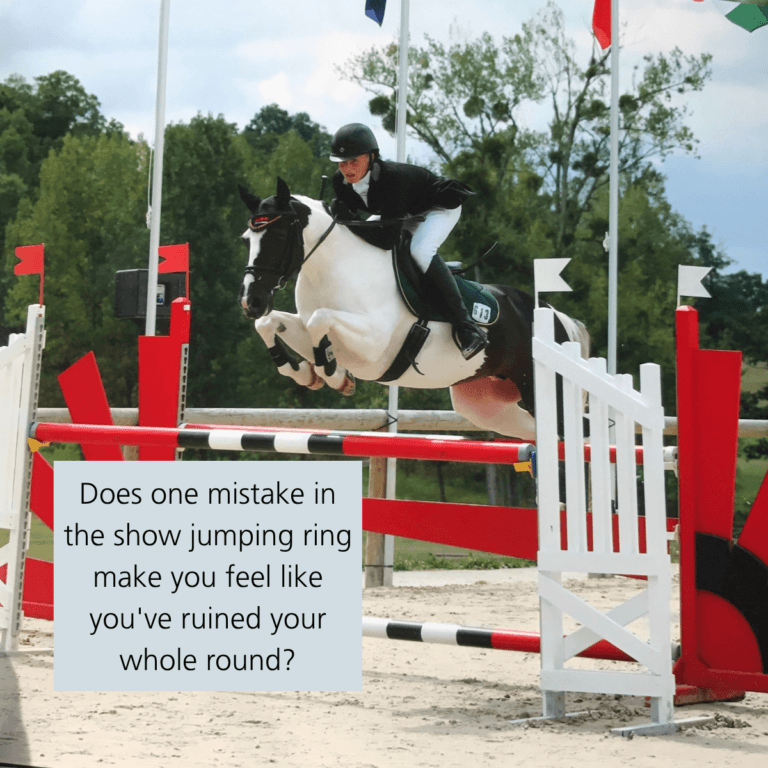
Why do I lose confidence after one mistake?
One mistake often creates another because your focus changes. Instead of riding the next fence, you’re replaying the previous one. The best riders don’t avoid mistakes—they recover from them more quickly.
Ask yourself:
- Am I riding the next fence or thinking about the last one?
- What would I do if that mistake didn’t matter?
Why do I feel more nervous at bigger competitions
Bigger competitions often carry bigger expectations.
You might want to qualify, impress your trainer, prove something to yourself or compare yourself with other riders.
The arena hasn’t changed.
The meaning you’ve attached to it has.
Ask yourself:
- What’s the same today as every other day I’ve ridden?
- What have I done hundreds of times before?
- Which parts of today already feel familiar?
These questions remind your brain that you’ve done far more than it sometimes gives you credit for.
Should I move down a class if I’ve lost confidence?
Sometimes taking a step back is the quickest way forwards.
Moving down a class isn’t admitting defeat.
It’s giving yourself the opportunity to rebuild rhythm, trust and confidence before progressing again.
Ask yourself:
- Am I collecting confidence or collecting worry?
- Would I rather jump a smaller track brilliantly or survive a bigger one?
Confidence grows through successful repetition.
Can mindset coaching really improve my riding?
Absolutely. Most riders already know how to ride. The challenge is performing that way when the pressure is on.
Mindset coaching helps you understand what your nervous system is doing, trust yourself under pressure, and consistently access the rider you already are.
Instead of asking:
“How do I stop feeling nervous?”
Ask:
“How can I ride well even when I feel nervous?”
That’s where lasting confidence begins.